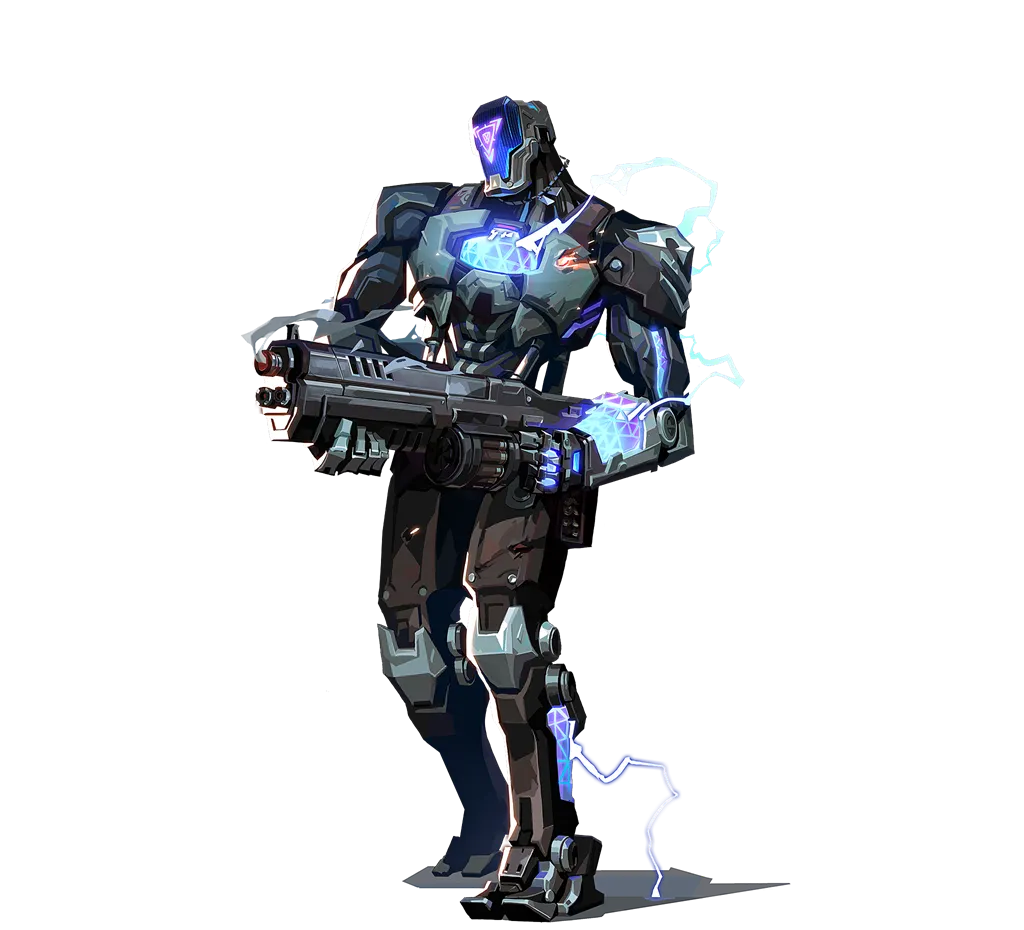


Individual stats miss the team.

Sixth Man connects shared sessions, lineups, and roles into one review your group can act on.

One shared review

See what changes when the lineup changes.

Explore the prototype

Build for the map you are actually playing.

Compare lineups, roles, and compositions by map, then carry one adjustment into the next session.

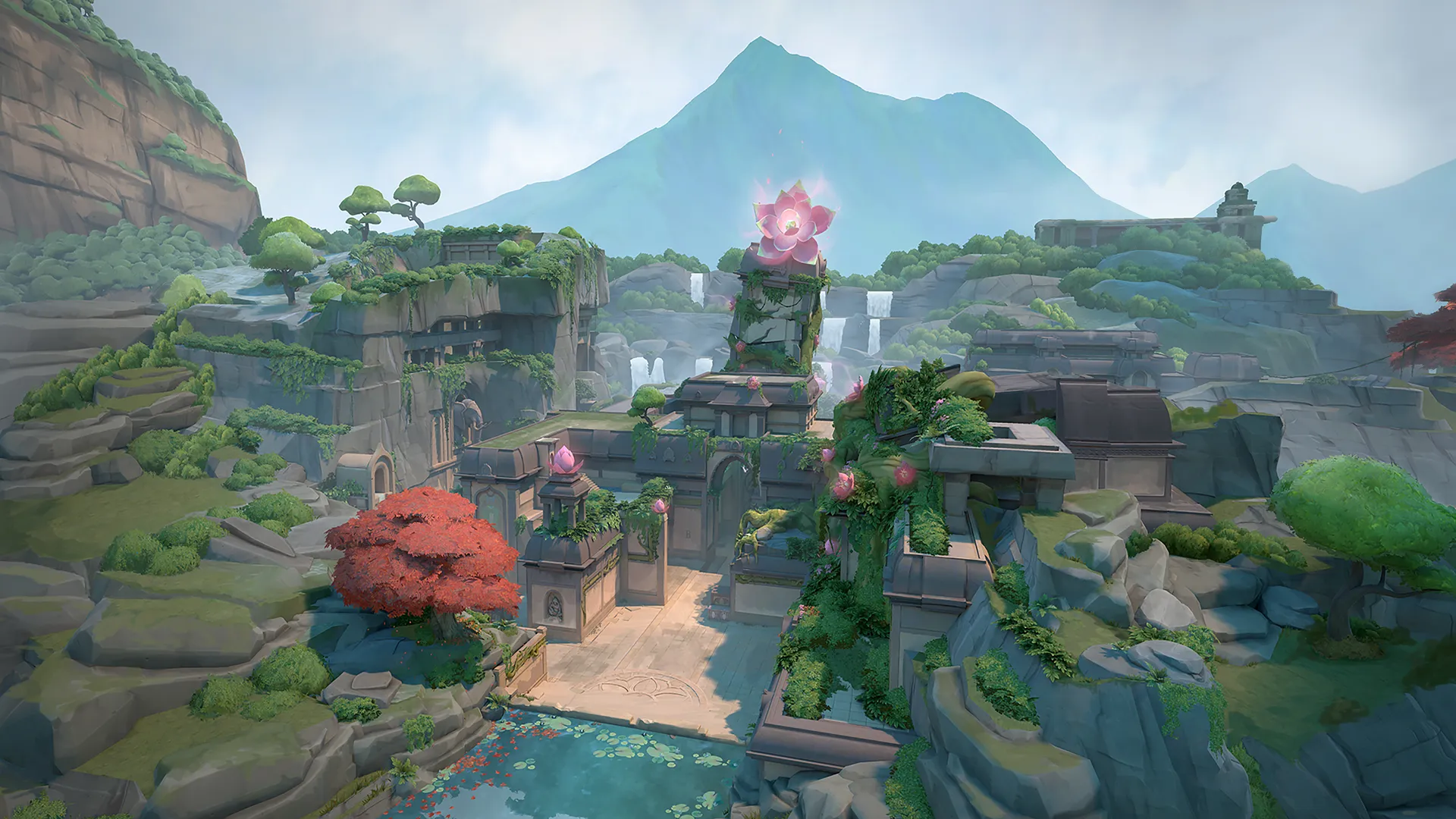
Ascent environment
AscentComposition
Lotus environment
LotusStrategy
Split environment
SplitRoles
Sunset environment
SunsetExecution

The review ends with a decision.

Move from one shared session to one measurable test, with the evidence attached.

Sixth Man session review showing four matches, map comparison, role coverage, and a selected next-session test
Session reviewEvidence → selected test
Sixth Man Review Room separating observed evidence, inference, next action, and unavailable data
Review RoomContext → answer

Climb with the group you actually have.

Solo form is not team chemistry. Sixth Man keeps every group context distinct so the comparison stays honest.

  1. Solo
  2. Duo
  3. Trio
  4. Full team

The team is the unit.

One workspace connects who played, where they played, what changed, and what the team should challenge next.

Context

Who played together?

Keep each lineup's sessions and circumstances distinct.

Relationships

What changes together?

Compare roles and patterns without flattening them into individual scores.

Decision

What do we try next?

Turn the review into a focused decision the next session can challenge.

Turn the next session into a test.

Explore the prototype